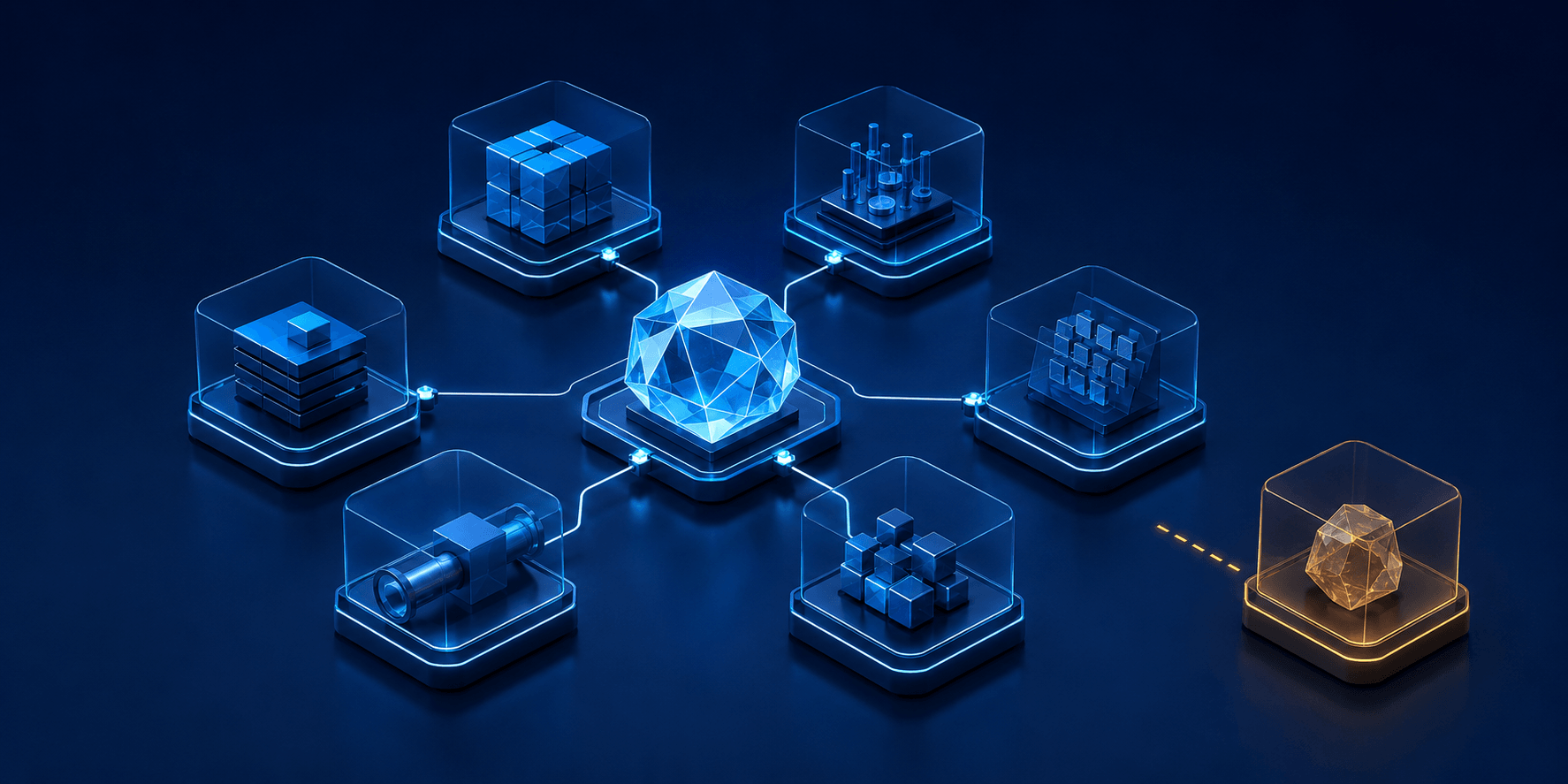
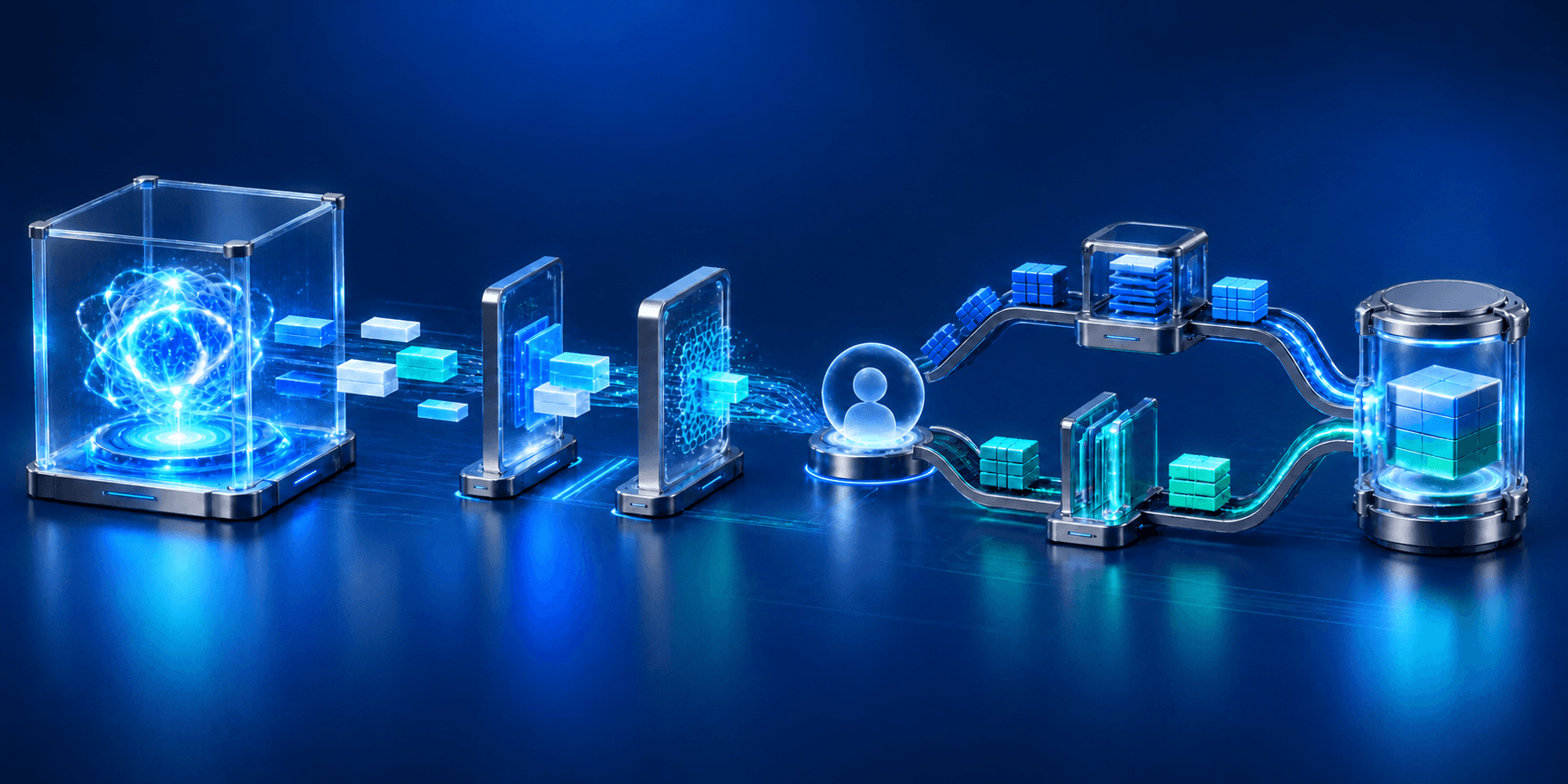
AI-assisted engineering can accelerate delivery. It should not collapse the separation between proposing, approving, and deploying a change.
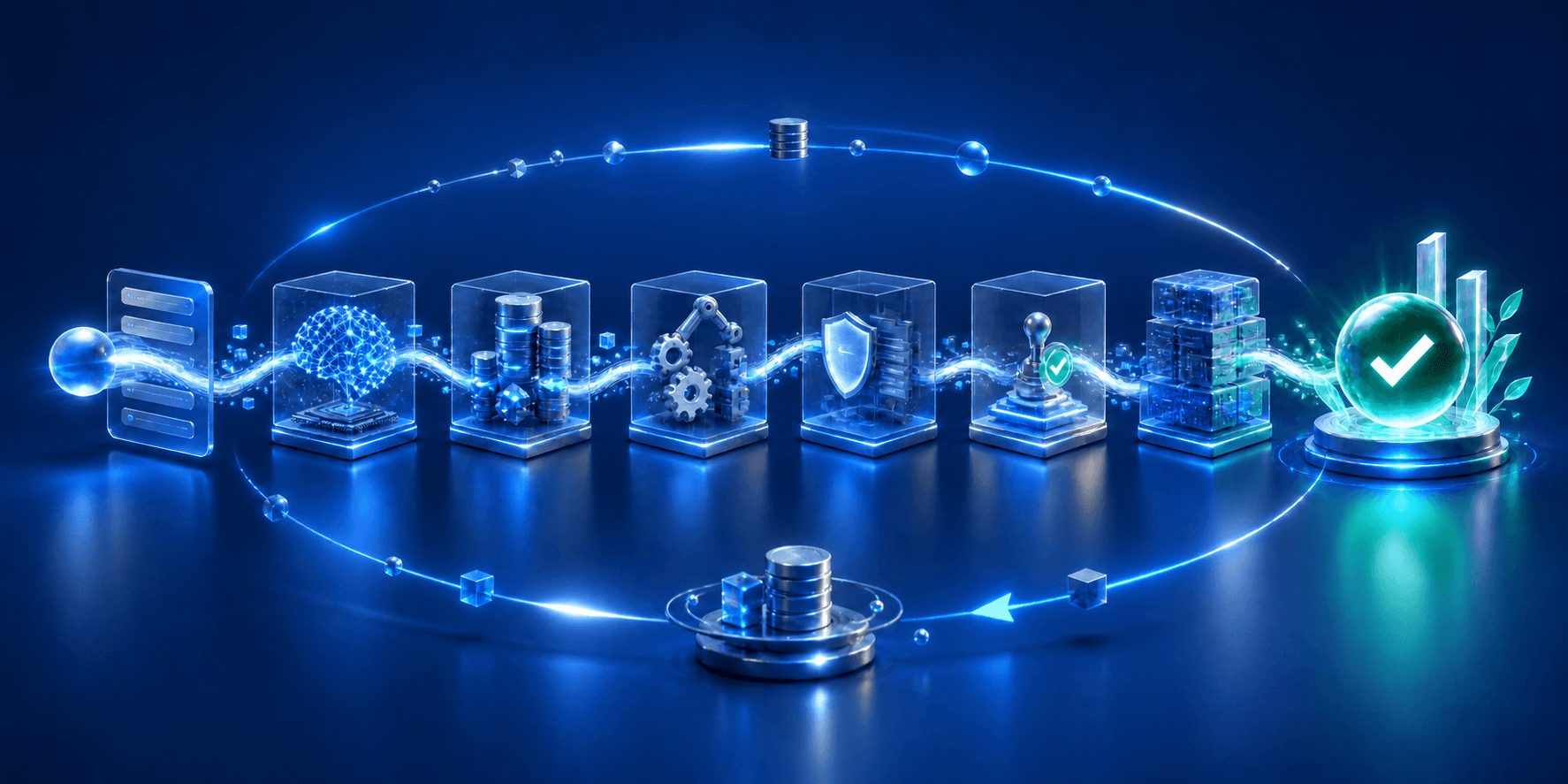
Use five controls.
1. Isolate agent work
Run coding agents in restricted repository copies or disposable workspaces. Limit network destinations, file access, tools, and secrets. An agent can create a pull request and run approved tests without reaching production or unrelated repositories.
2. Minimize credentials
Use separate workload identities for agents, build runners, artifact systems, and deployment. Prefer short-lived credentials retrieved at runtime. Prevent untrusted pull requests from accessing secrets. One identity should be revocable without disabling the entire delivery platform.
3. Control artifacts
Use approved registries, exact versions or immutable digests, protected branches, and reproducible build procedures where practical. Separate build and deployment identities. Do not allow a public dependency to change silently inside a production build.
4. Verify independently
The system proposing a change should not approve and deploy it. Require deterministic tests, security scans, policy checks, and risk-based human review. Generated code receives the same or stronger acceptance standard as human-written code.
5. Prepare for compromise
The response playbook must explain how to:
- stop the affected agent or pipeline;
- identify every environment where it ran;
- revoke and rotate exposed credentials;
- investigate unauthorized tool or network activity;
- rebuild from controlled artifacts; and
- restore service through a tested alternative.
A backup model does not provide resilience if both models depend on the same compromised gateway or delivery chain.
These controls preserve the speed of AI-assisted development while limiting the impact of incorrect or malicious behavior. The target is a shorter delivery cycle with the same accountability for architecture, security, and production acceptance.
Cayru’s senior nearshore teams combine AI Product Engineering with Platform Engineering & DevSecOps Acceleration to implement these controls inside real delivery environments.
Review the engineering and release path behind one production AI system.